


BLOG


Father's Day gifts to match his adventurous spirit
Father's Day is the perfect occasion to celebrate the men in your life with gifts that match their adventurous spirit and rugged lifestyle.


Spread some Love
Show your love and appreciation with a sweet gift from our exclusive Valentine collection!


Find Your Favorite Fall Nail Color!
Let your colors shine this fall with Zoya's new Muse collection! With 12 unique shades to choose form, they are sure to flatter any skin tone and fit into any fall aesthetic. With neutral, warm, and cool tones, they are perfect for the whole season and to transition into winter.


Need a Hostess Gift for Thanksgiving?
Finding the perfect gift for your Thanksgiving hostess can be a struggle. However, we are here to help! With a wide selection of home goods and fragrance, there is surely something to suit everyone's tastes.


Give Your Skin a Refreshed Glow With Skin Apothetique!
Feel your best with Skin Apothetique's wide collection of hair and body care! Ranging from French hair paste to moisturizing shaving cream to sugar glows and soy body whips in over a dozen scents, we can confidently say that there is something for everyone. Skin Apothetique is the perfect addition to any skin care routine, promising soft, moisturized skin after each use!
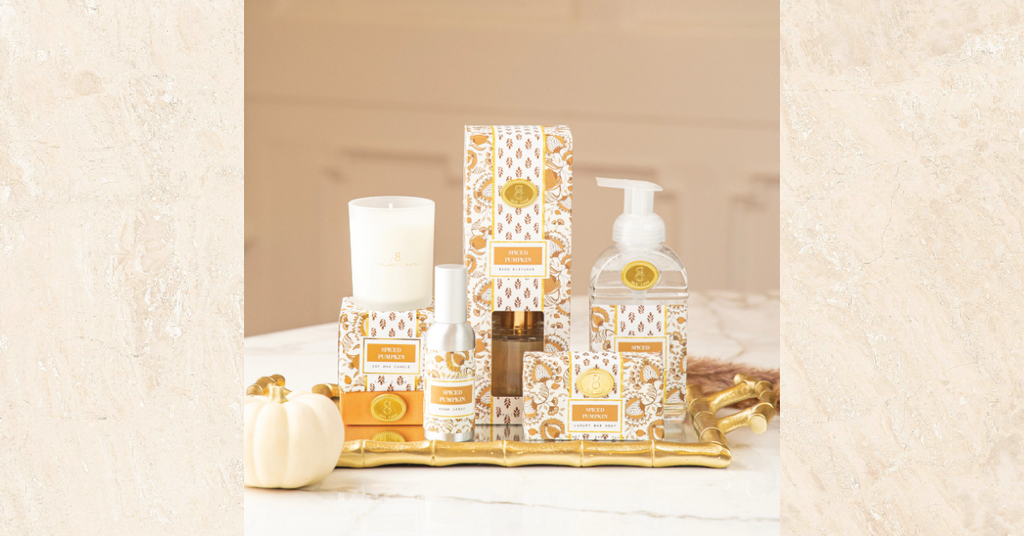

Spice Up Your Fall With 8 Oak Lane!
Welcome fall with 8 Oak Lane's Spices Pumpkin collection! Find new favorites and explore the variety of home fragrance and bath and body items. You're sure to fall in love with this collection!


Furry family members deserve a treat too!
We believe that pets are family, so we've put together a little collection to show them some love.
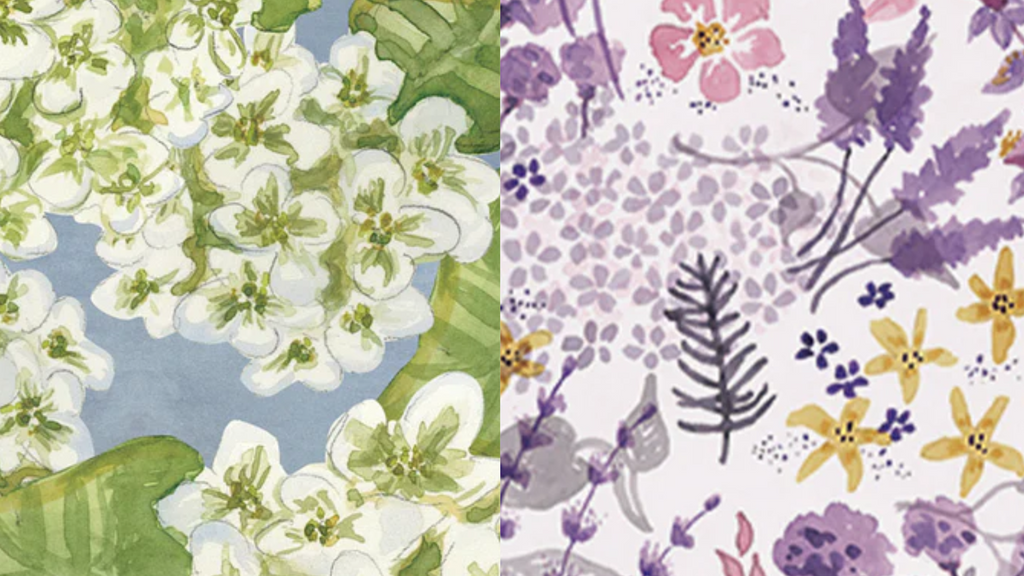

Explore the New Scents from Greenleaf!
Stop by today and discover the magic of Hydrangea and Lavender from Greenleaf!


Join Us For Our Birthday Bash!
Don’t miss out on the fun and the savings—mark your calendar and get ready to shop till you drop! See you at our boutique for a great birthday celebration !
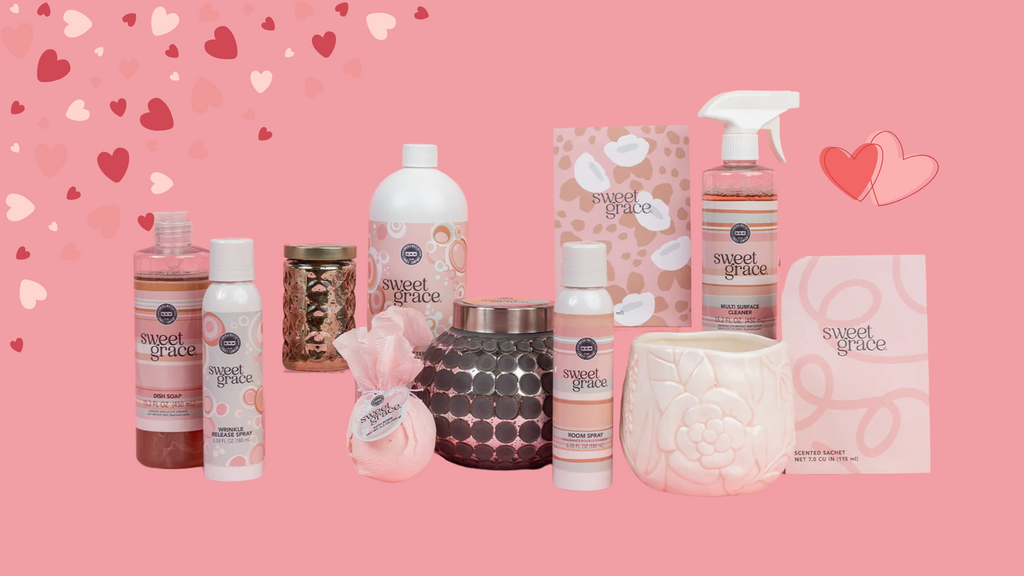

Share a Sweet Scent this Valentine's Day?
Come by and find the perfect gift that says you care—sweet scents, beautiful packaging, and pure love all in one.